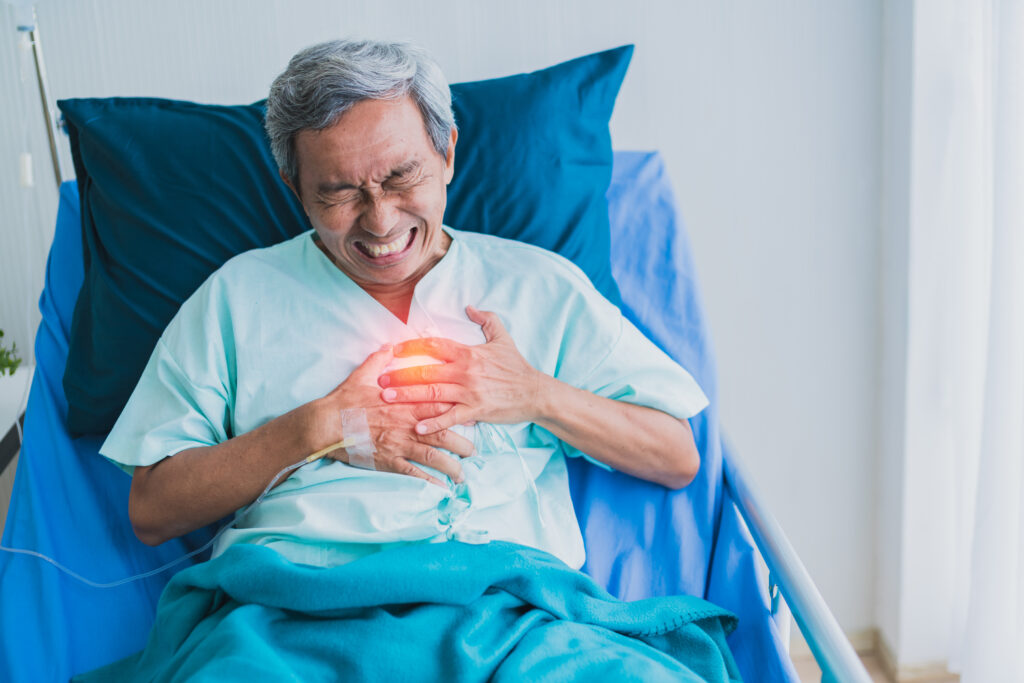
When people experience chest discomfort, breathlessness, or unexplained tiredness, they often search online for a best cardiologist in Baner. Many of these symptoms may appear only during walking, climbing stairs, or exercise—and not while resting.
This is where the TMT test (Treadmill Stress Test) becomes extremely important.
A TMT test helps evaluate how the heart performs under physical stress, which is often when hidden heart problems start showing signs. This detailed guide explains the TMT test in a way that is easy to understand, medically accurate, and practically useful for patients living in Baner, Aundh, Pashan, Wakad, and nearby areas.
What Is a TMT (Treadmill Stress Test)?
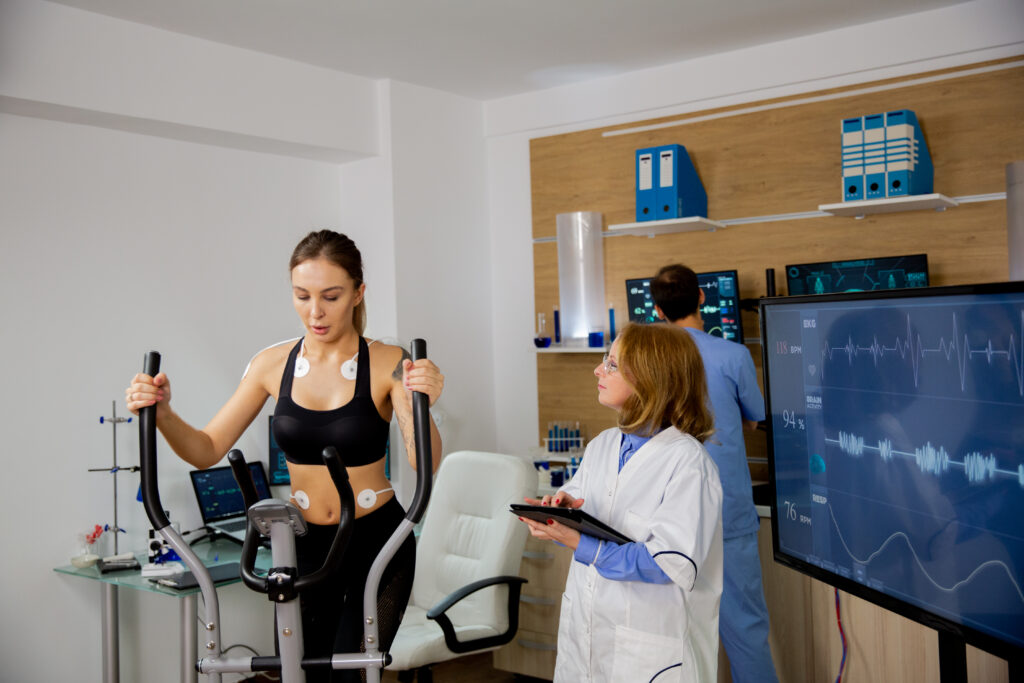
A TMT test is a non-invasive heart test where a person walks on a treadmill while the heart’s electrical activity (ECG), heart rate, blood pressure, and symptoms are continuously monitored.
Many heart problems do not show up when the body is at rest. During exercise, the heart needs more oxygen. If the blood supply is not sufficient, the heart shows changes that can be detected during a TMT.
According to the Mayo Clinic, stress testing is a key tool to identify reduced blood flow to the heart muscles that may not be visible on resting ECGs.
👉 https://www.mayoclinic.org/tests-procedures/stress-test/about/pac-20385234
Why Is a TMT Test Done?
A cardiologist may advise a TMT test to:
- Detect early coronary artery disease
- Understand the cause of chest pain or tightness
- Evaluate breathlessness during walking or exertion
- Assess heart fitness before starting exercise
- Check heart status after angioplasty or heart treatment
- Decide if further tests are required
For many patients searching for a Cardiologist Near me in Baner, the TMT test is often the first major step in heart evaluation.
Most Common Symptoms That Lead to a TMT Test (Local Experience)
In daily cardiology practice, patients from Baner, Aundh, Wakad, and Pashan are commonly advised a TMT test for symptoms such as:
- Chest heaviness while walking or climbing stairs
- Breathlessness on mild exertion
- Excessive fatigue not explained by routine tests
- Sweating or discomfort during activity
- Palpitations during exercise
- Reduced stamina compared to earlier
These symptoms may look minor, but they can indicate early heart stress.
Local Lifestyle Factors Increasing the Need for TMT in Pune
Certain lifestyle patterns commonly seen in Pune—especially in areas like Baner and Wakad—can increase heart risk:
- Long sitting hours due to IT and desk jobs
- High mental stress and work pressure
- Irregular eating habits
- Lack of regular exercise
- Smoking and alcohol consumption
- Sudden intense gym workouts without screening
Because of these factors, preventive tests like TMT have become more relevant even for people in their 30s and 40s.
The World Health Organization (WHO) emphasizes that early cardiovascular screening plays a major role in preventing heart attacks and long-term complications.
👉 https://www.who.int/health-topics/cardiovascular-diseases
How the TMT Test Is Performed (Step-by-Step)
- ECG electrodes are placed on the chest
- Blood pressure is recorded at rest
- The patient starts walking on the treadmill
- Speed and incline increase gradually
- ECG, BP, and symptoms are monitored continuously
- The test stops if:
- Target heart rate is reached
- Symptoms develop
- The doctor decides it is enough
The test usually lasts 10–15 minutes.
Common Myths and Fears About TMT Test
Many patients hesitate due to incorrect information. Common myths include:
- “TMT can cause a heart attack”
→ When done under supervision, TMT is very safe. - “TMT is painful”
→ It only involves walking on a treadmill. - “Only elderly people need TMT”
→ Younger individuals with risk factors may also need it. - “Normal ECG means TMT is not needed”
→ ECG at rest and TMT serve different purposes.
Addressing these fears helps patients approach the test with confidence.
Is the TMT Test Safe?
Yes. The TMT test is considered safe when performed under proper medical supervision.
- Emergency equipment is available
- Continuous monitoring is done
- The test can be stopped immediately
Healthcare facilities follow safety protocols recommended by NABH (National Accreditation Board for Hospitals) to ensure patient well-being.
👉 https://nabh.co/
How to Prepare for a TMT Test
To ensure accurate results:
- Wear comfortable clothes and walking shoes
- Avoid heavy meals 2–3 hours before the test
- Avoid smoking and caffeine on the test day
- Inform the doctor about all medications
- Follow instructions regarding temporary medication changes
Understanding TMT Test Results
Normal TMT
- No significant ECG changes
- Good exercise tolerance
- Lower chance of major blockage
Abnormal or Borderline TMT
- ECG changes during exercise
- Symptoms like chest pain or breathlessness
- May indicate reduced blood flow
An experienced cardiologist correlates results with symptoms and risk factors before deciding next steps.
What Happens After a Positive or Borderline TMT?
Depending on the findings, the cardiologist may advise:
- 2D Echo to assess heart structure
- CT coronary angiography
- Medication optimization
- Lifestyle changes
- Further invasive testing (if required)
This step-by-step approach avoids unnecessary procedures while ensuring safety.
When TMT Is Not the Right Test
TMT may be avoided if a patient has:
- Severe knee or joint problems
- Recent heart attack
- Uncontrolled blood pressure
- Severe rhythm disturbances
In such cases, alternative stress tests or imaging studies are considered.
TMT Test Cost in Baner
The TMT test cost in Baner generally ranges between:
₹1,500 – ₹3,000
This usually includes:
- Pre-test evaluation
- The stress test itself
- Report interpretation
Transparent cost discussion builds trust and helps patients plan better.
TMT vs Other Cardiac Tests
| Test | Purpose |
| ECG | Heart rhythm at rest |
| TMT | Heart response to exercise |
| 2D Echo | Heart structure & pumping |
| Holter | 24–48 hr rhythm monitoring |
| ABPM | Blood pressure trends |
A skilled Cardiologist Near me in Baner selects the right test based on individual needs.
Why Choose Dr. Praveen Pawal for TMT Test in Baner?
Choosing the right cardiologist matters as much as choosing the right test.
Dr. Praveen Pawal focuses on:
- Careful patient evaluation
- Clear explanation of test results
- Preventive heart care
- Ethical decision-making
- Guiding patients on next steps
Patients from Baner, Aundh, Pashan, Wakad often appreciate a structured, calm, and informative consultation experience.
What Patients Can Expect on Their First Visit
- Detailed discussion of symptoms
- Review of risk factors
- Clear explanation of why TMT is advised
- Guidance before and after the test
- Time to ask questions and clear doubts
This approach reduces anxiety and improves understanding.
FAQs – Cardiologist Near Me in Baner
1. Do I need fasting before a TMT test?
Light meals are allowed; heavy meals should be avoided.
2. Can TMT detect heart blockage?
It can suggest reduced blood flow; further tests may be needed.
3. How long does the TMT test take?
About 10–15 minutes.
4. Is TMT safe for older patients?
Yes, when done under medical supervision.
5. Who is a reliable Cardiologist Near me in Baner for TMT?
Dr. Praveen Pawal is a trusted choice for stress testing.
Conclusion
A TMT test is a valuable, safe, and widely used method to understand how the heart behaves during physical stress. It plays a key role in early detection, prevention, and proper management of heart disease.
If you are searching for a best cardiologist in Baner, consulting an experienced specialist ensures accurate interpretation, clear guidance, and peace of mind.
With a patient-focused approach and emphasis on preventive cardiology, Dr. Praveen Pawal provides reliable stress testing and comprehensive heart care for residents of Baner, Aundh, Pashan, Wakad, and nearby areas.👉 Book your appointment today:
🌐 https://drpraveenpawalcardiologist.com/
📍 https://share.google/OoUrGZe49j7r4jKZM