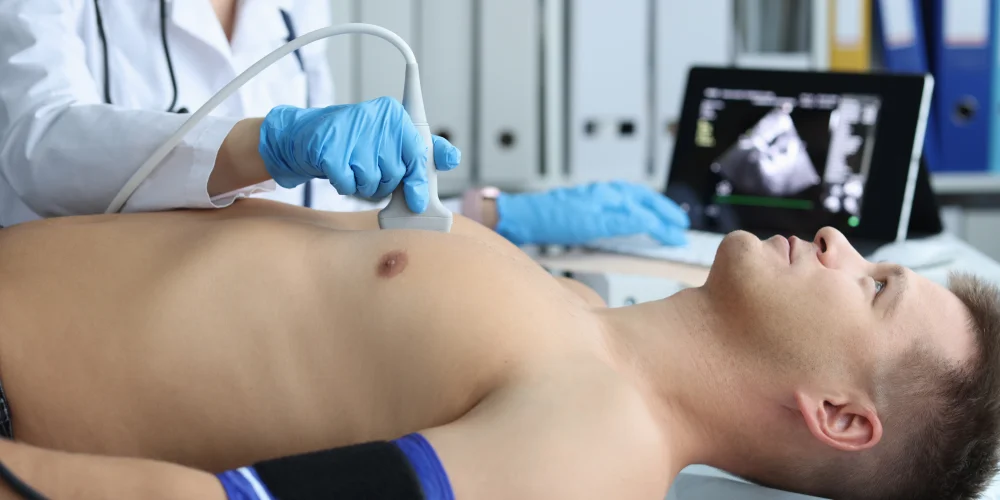
It is common for patients to feel a wave of confusion or anxiety when, just as they are preparing for a procedure, their doctor hands them a referral for heart tests. You might find yourself asking, “Is this really necessary?” or “Why do I need a heart check for a surgery that isn’t on my heart?” These tests are not a sign that something is wrong; rather, they are a vital safety net. They ensure that your heart is “fit for the journey” of surgery and anesthesia, preventing unexpected complications and ensuring a smooth recovery.
What ECG and Echo Show
While both are heart tests, they look at your cardiovascular system from two completely different angles. Think of it as checking the wiring and the plumbing of a house.
ECG (Electrocardiogram): The Electrical “Wiring”
- Heart Rhythm: It records the electrical signals to check for arrhythmias (irregular heartbeats) that could be triggered or worsened by anesthesia.
- Silent Damage: It can detect signs of a previous, silent heart attack that you might not have even realized occurred.
- Heart Rate: It provides a baseline of your resting heart rate to help the anesthesiologist manage your vitals during the procedure.
2D Echo (Echocardiogram): The Structural “Plumbing”
- Heart Strength: This ultrasound measures your “Ejection Fraction,” which is a score of how effectively your heart pumps blood to the rest of your body.
- Valve Issues: It checks if your heart valves open and close correctly, ensuring there is no backflow of blood that could cause strain.
- Chamber Size: It identifies if the heart walls have thickened (hypertrophy), which often happens in patients with long-standing high blood pressure.
When These Tests Are Recommended
Not every patient needs a full cardiac workup for every minor procedure. Doctors typically recommend an ECG and 2D Echo based on specific “risk filters”:
- Age: Generally, patients over the age of 40 are advised to have these screenings as the risk of asymptomatic heart disease increases with age.
- Symptoms: If you have experienced unexplained breathlessness, chest discomfort, or fainting spells, these tests are mandatory.
- Planned Surgery Type: High-stress procedures, such as major abdominal, vascular, or orthopedic surgeries, put more demand on the heart and usually require clearance.
- Pre-existing Conditions: Patients with a history of diabetes, hypertension, or high cholesterol need these tests to assess “target organ damage”.
Why These Tests Matter in Piles & Abdominal Surgery
Many people think piles surgery is minor, so heart tests are unnecessary. That’s a dangerous assumption.
For abdominal and colorectal surgeries like piles treatment, anesthesia puts temporary stress on the heart. If there is an undetected cardiac issue, it can lead to:
- Blood pressure instability
- Breathing problems
- Cardiac complications during surgery
That’s why experienced surgeons insist on pre-surgery cardiac clearance.
Application in Piles & Abdominal Surgery
For abdominal and colorectal surgeries like piles treatment, these tests help assess whether a patient can safely undergo anesthesia. Because these procedures are often performed on older adults who may have underlying health issues, ensuring the heart can handle the physiological shifts of surgery is the top priority.
Surgeons such as Dr. Atul Patil, Piles Surgeon in Rahatani, often request cardiology evaluation in patients with risk factors to avoid complications. By coordinating with a cardiologist, the surgical team can adjust the type of anesthesia used and manage medications—like blood thinners—to ensure the highest level of patient safety.
Visit Us: Dr. Praveen Pawal Cardiac Centre, Baner, Pune.